AI / ML system

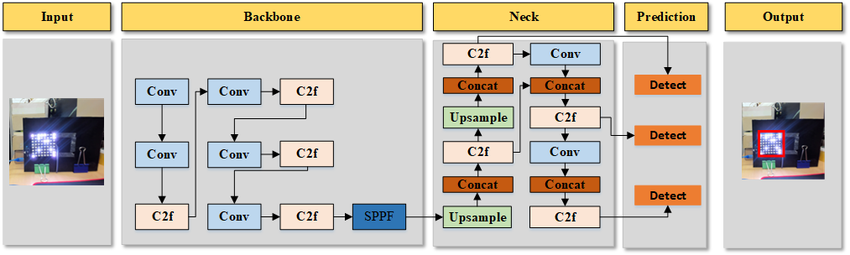
Crime Scene Analytics (Deep Learning)
M.Tech Thesis · Nirma University (24MCD008) · Guided by Dr. Sharada Valiveti
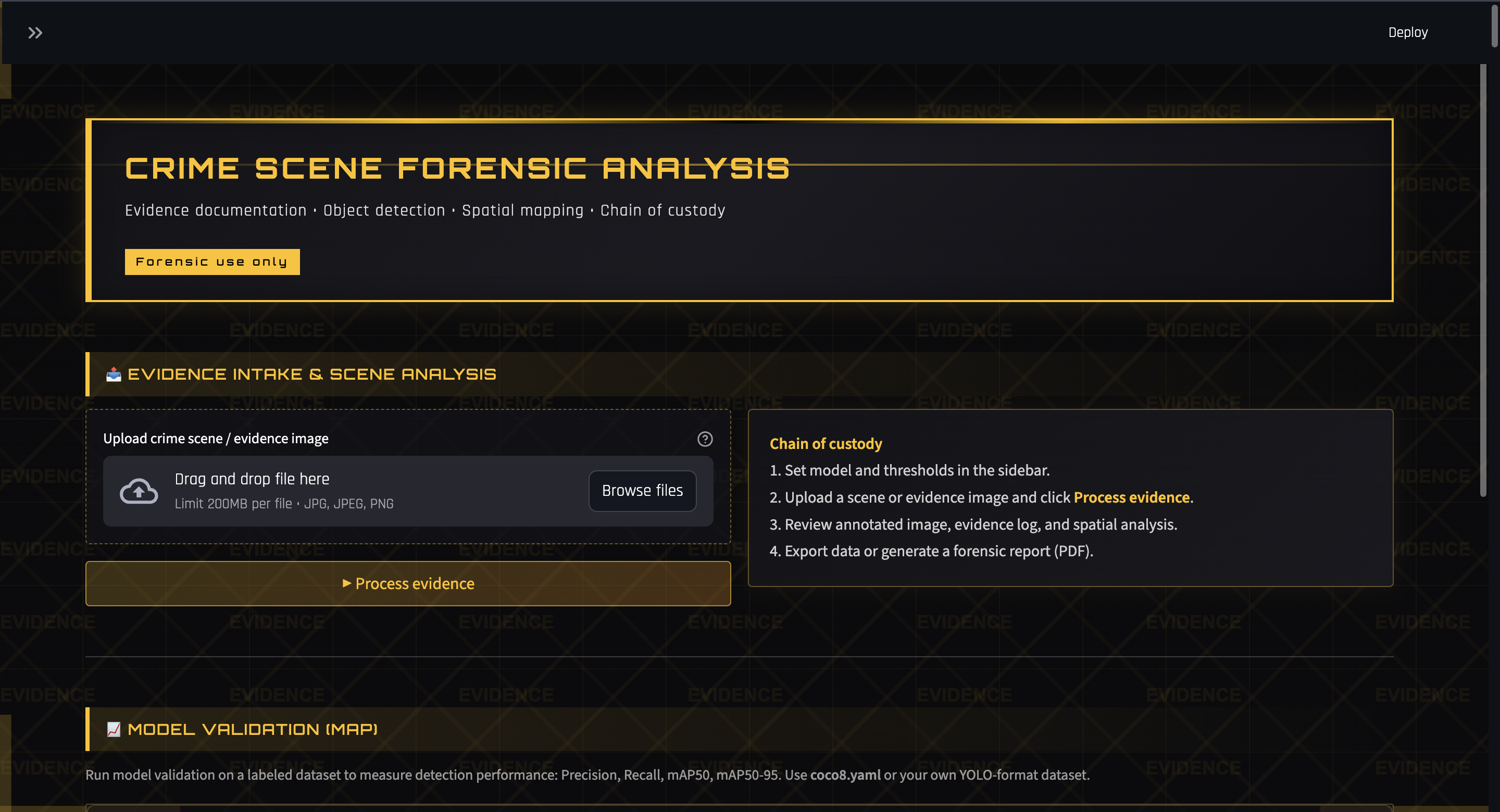
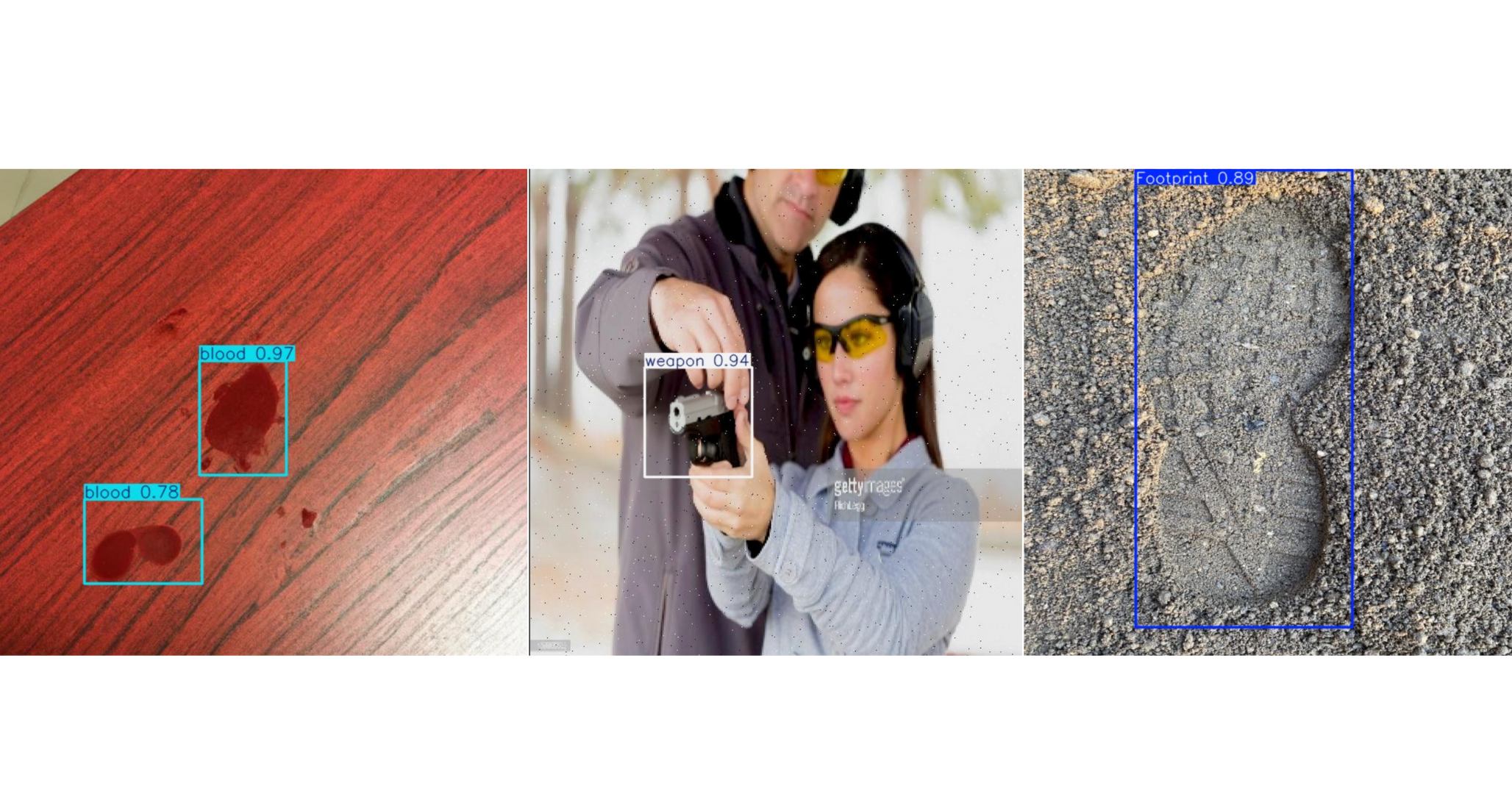
End-to-end forensic CV system: merge & clean crime-scene datasets, selectively super-resolve tiny evidence with Real-ESRGAN, train YOLOv8 for weapons + bloodstains, then ship Streamlit + Android (WebSocket) tools that also measure evidence-to-evidence distance.
Model pipeline
Research → result
Lab-style panels for training, inference, and outputs.

System design
Overview
Crime-scene investigators still skim hundreds of photos by hand — easy to miss a distant knife or faint blood droplet. This M.Tech thesis builds a data-centric detection pipeline (not just another YOLO fine-tune) that cleans annotations, enhances only small evidence regions, augments for forensic conditions, and deploys the trained detector into analyst-facing web and Android apps.
What I built
- Merged Roboflow weapons (1,035) + bloodstain (326) datasets into a validated YOLO set (~1,283 images)
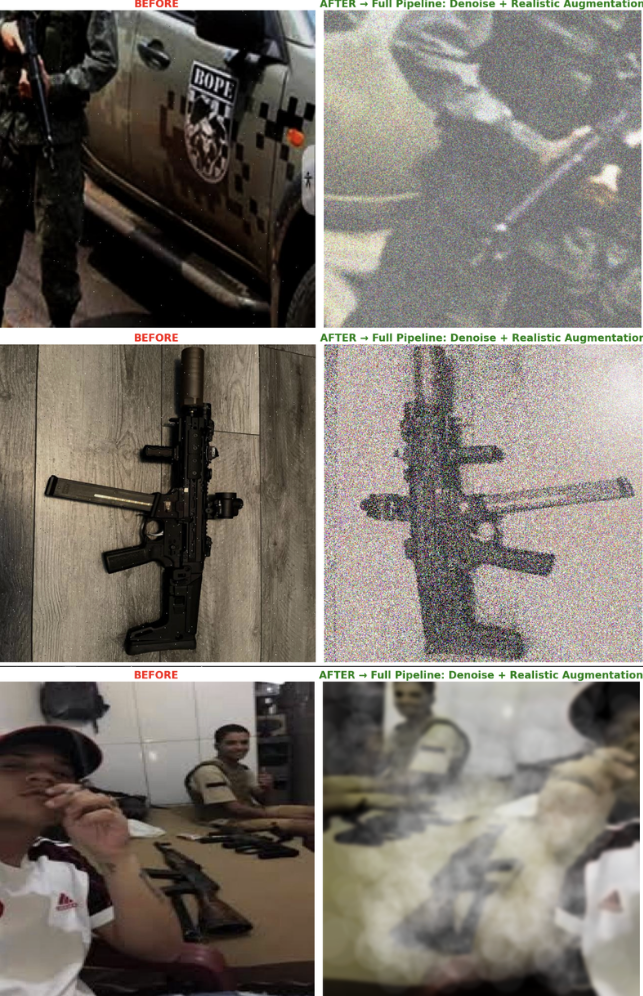
- Noise reduction (Gaussian / median / NLM) without breaking box geometry
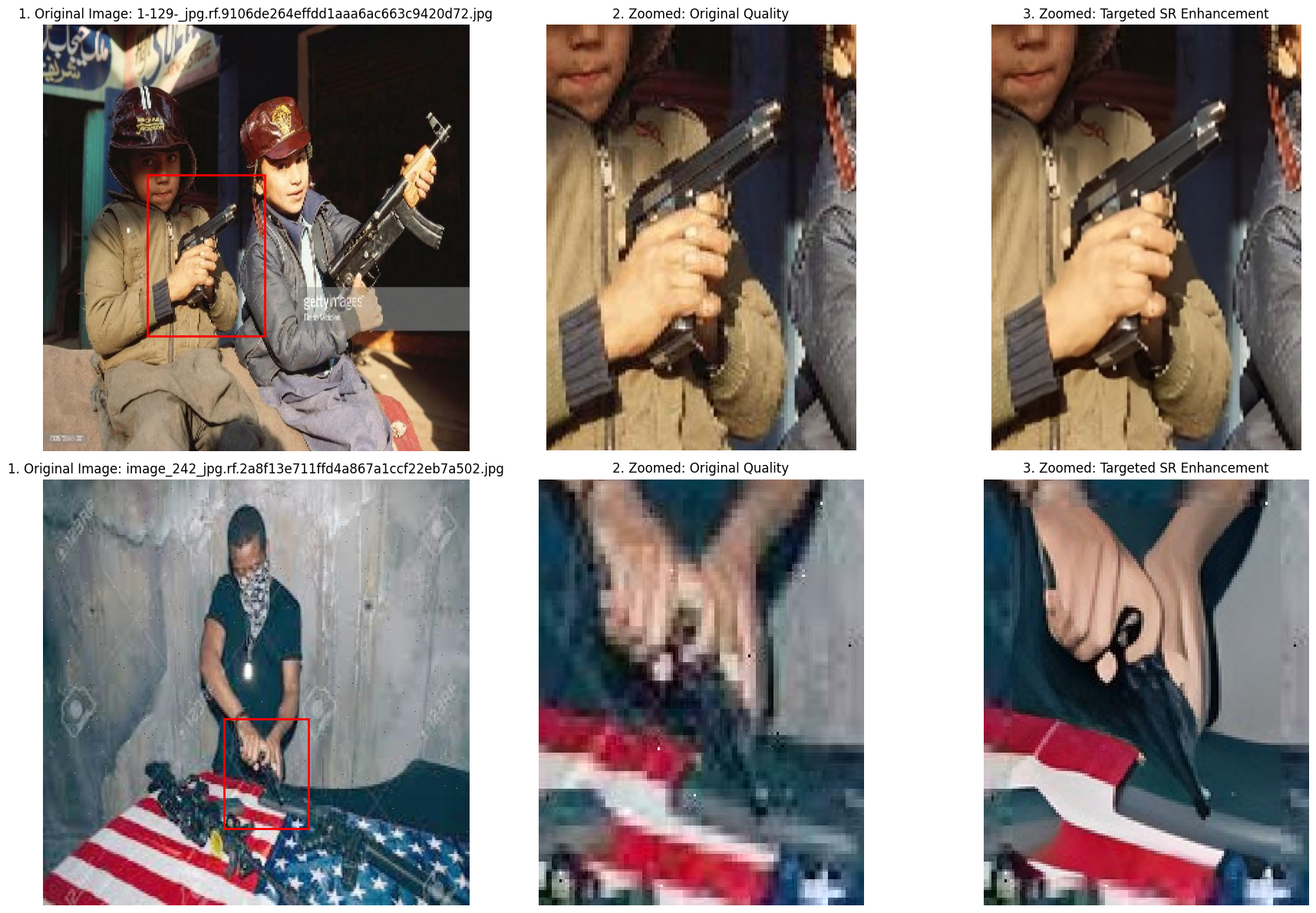
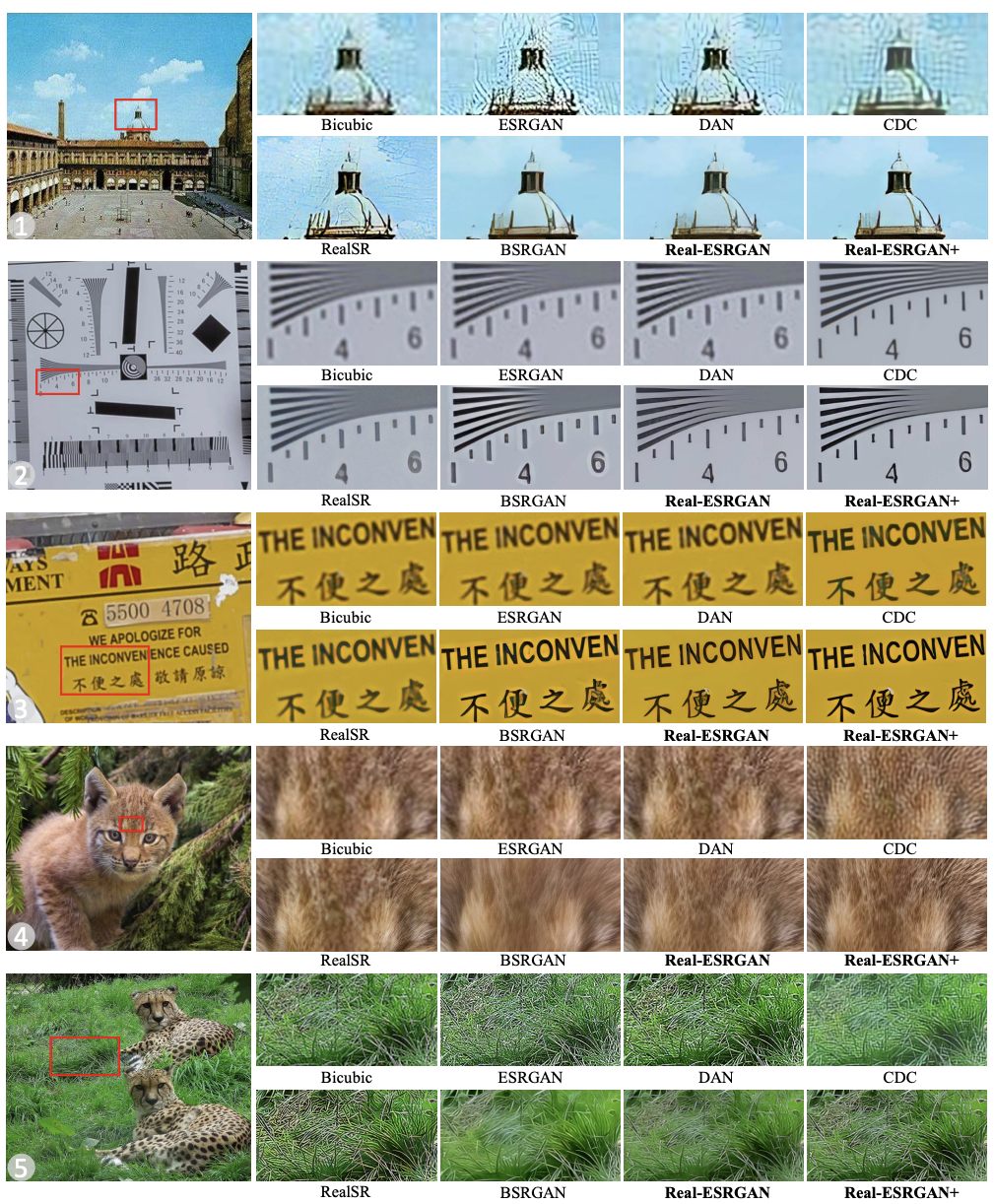
- Selective 2× Real-ESRGAN on small evidence crops with Lanczos reintegration
- Domain augmentations: Mosaic, MixUp, copy-paste, fog/rain/shadow/blur/occlusion → ~3,848 effective samples
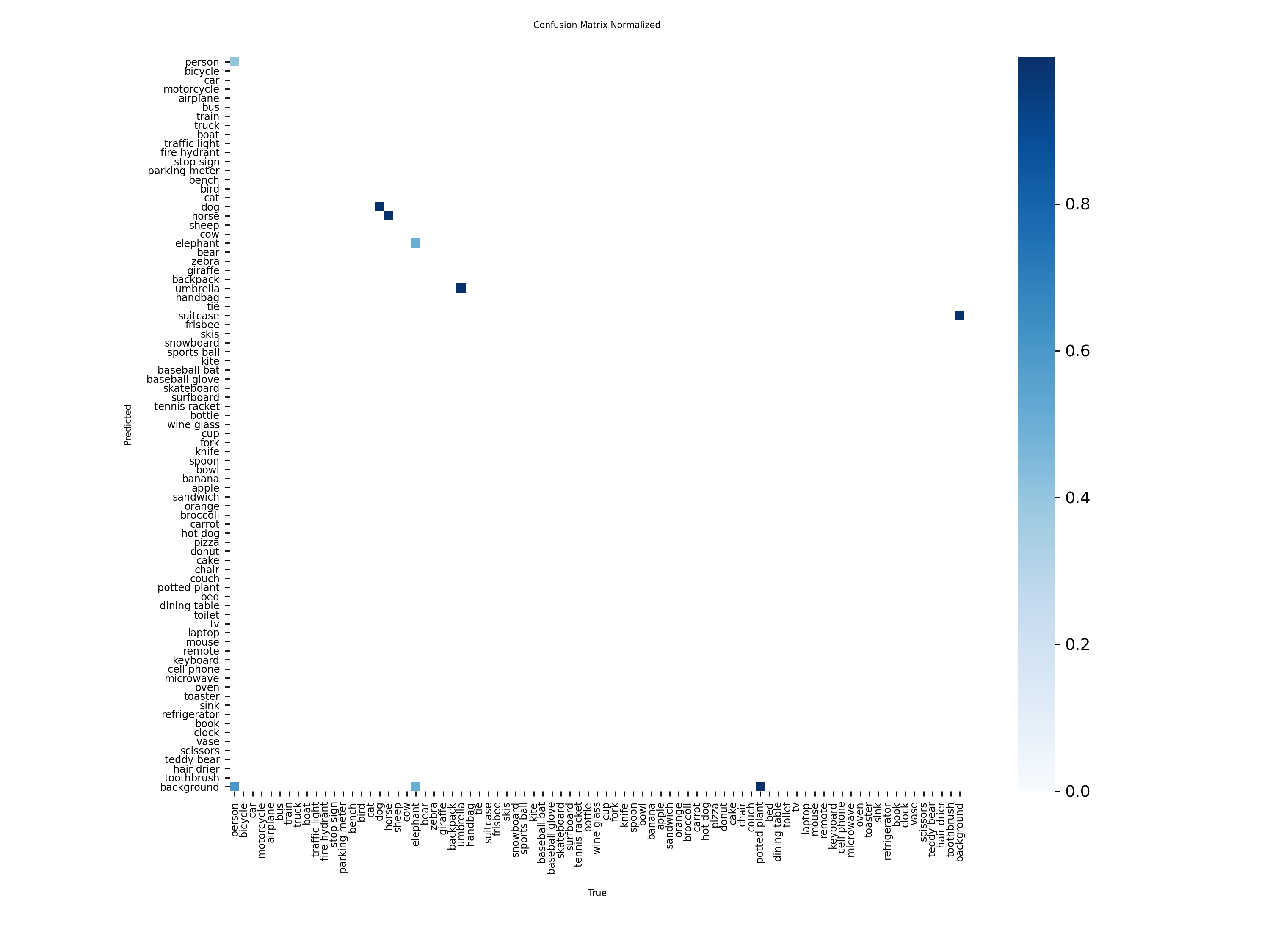
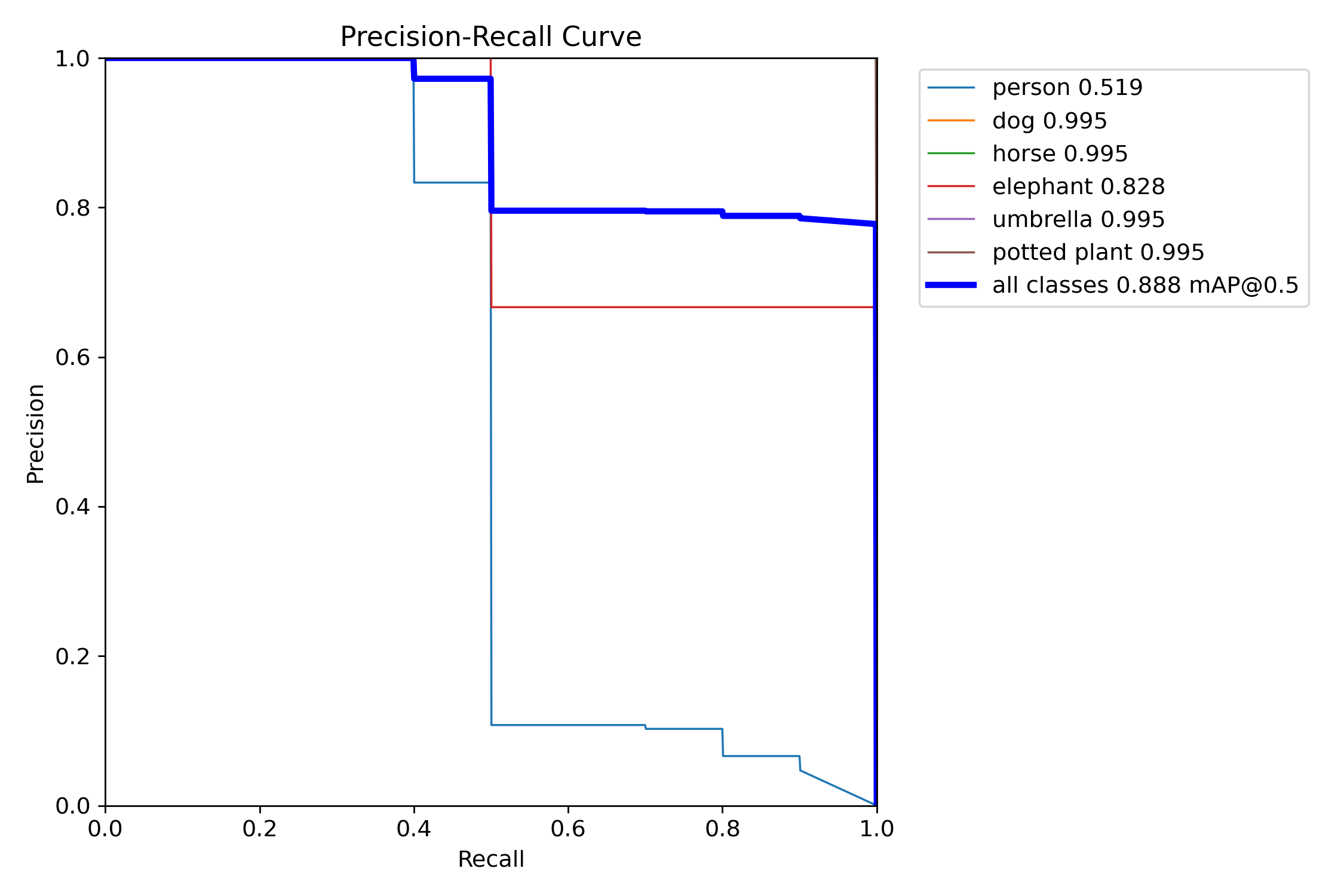
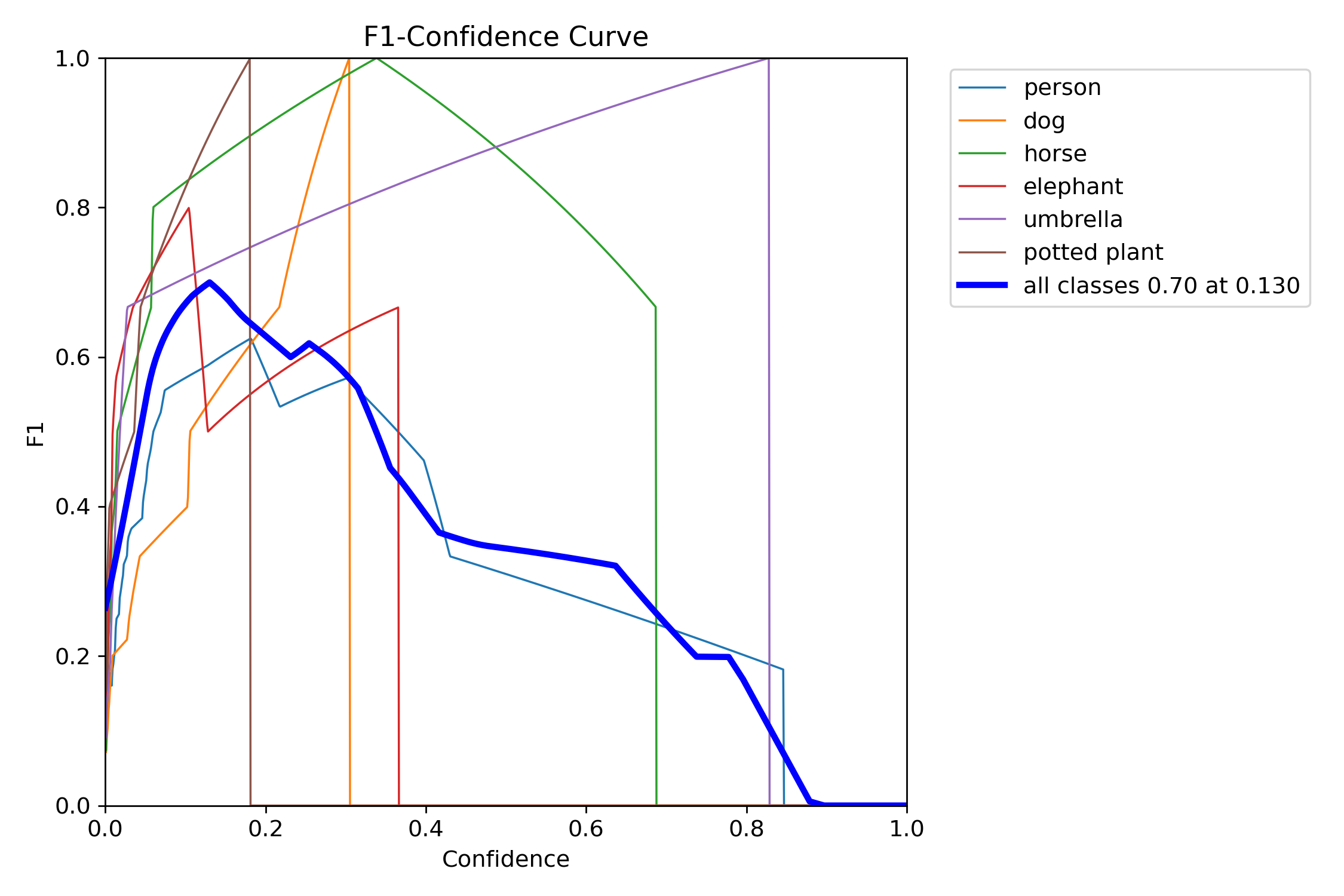
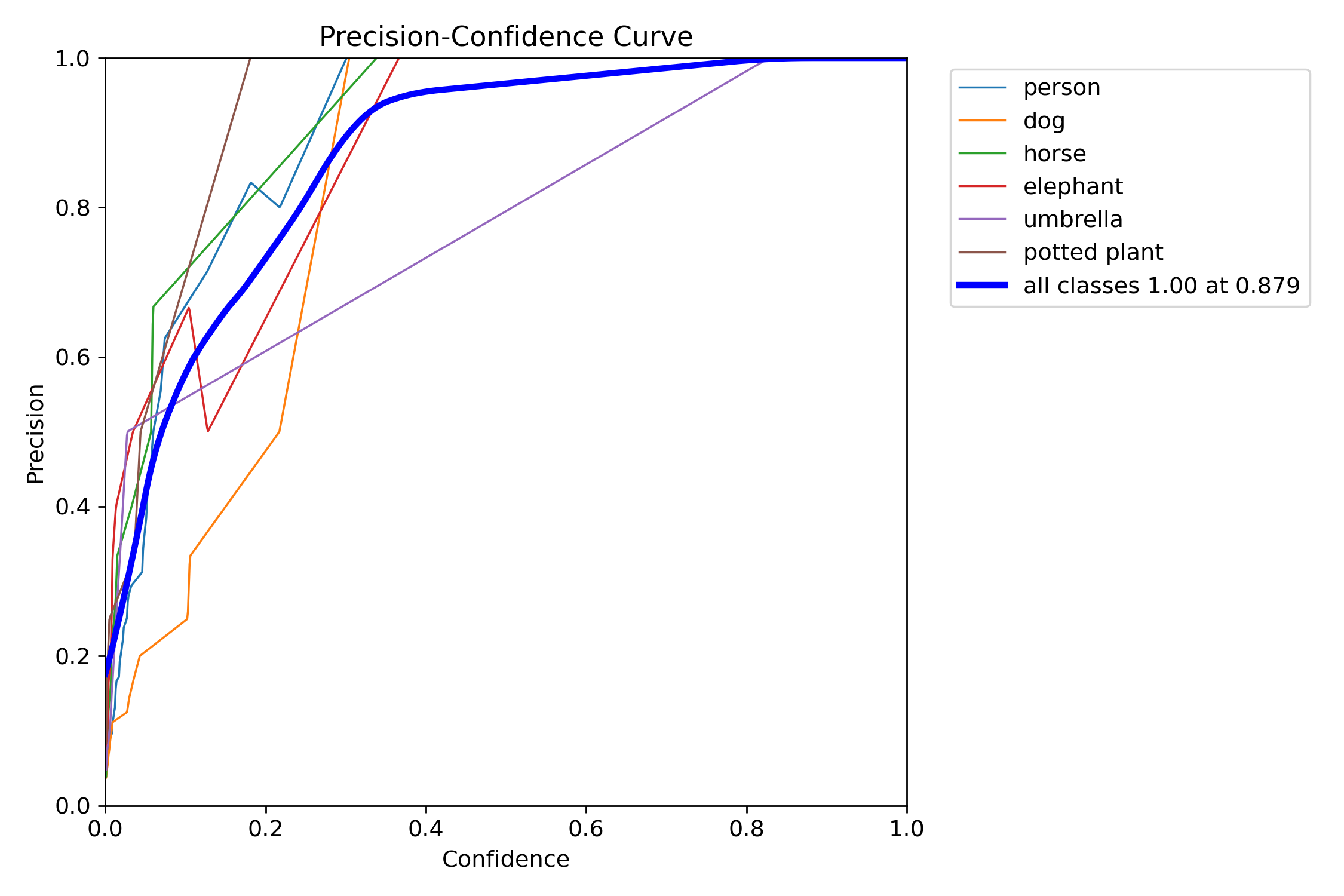
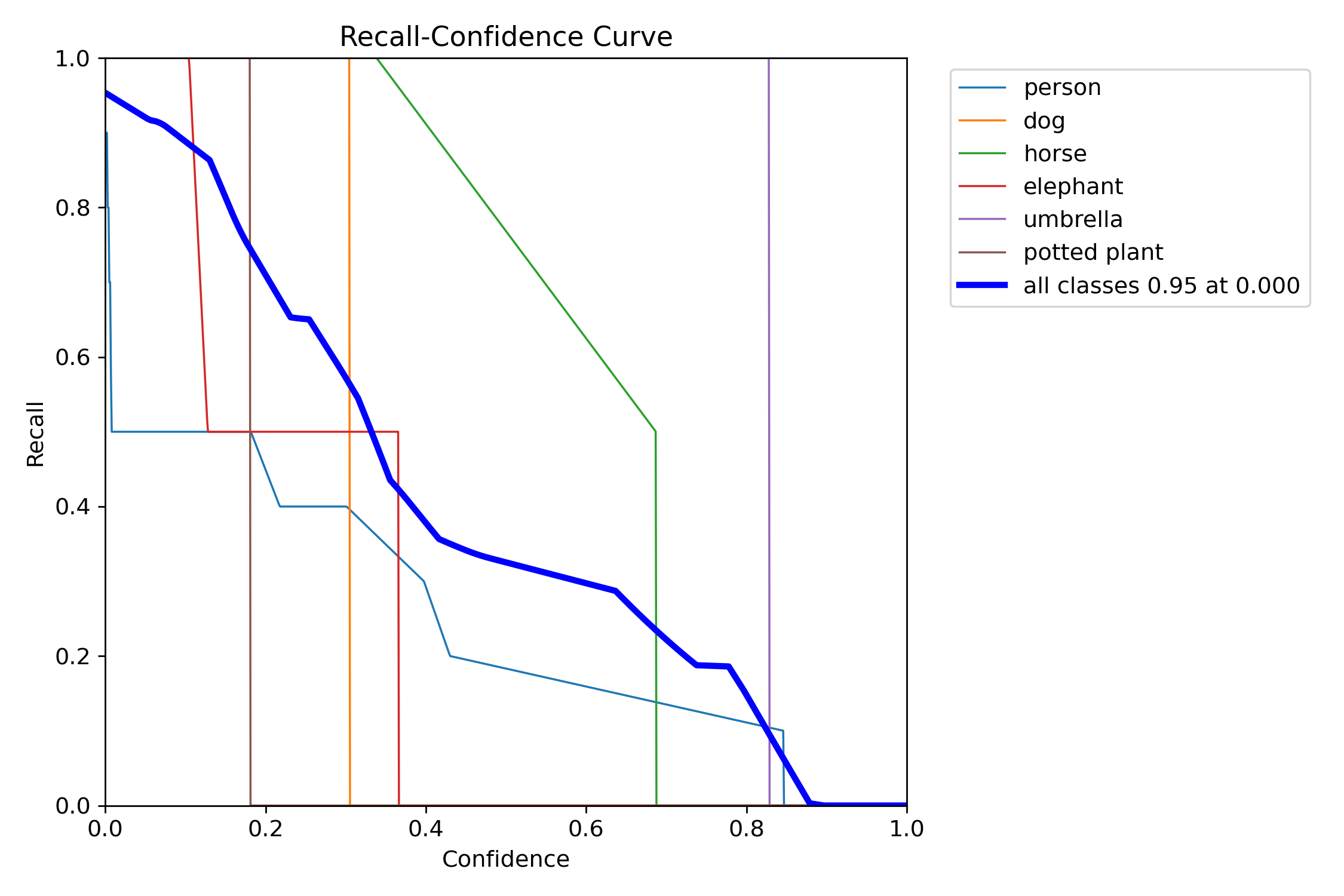
- YOLOv8 n/s/m comparison with mAP, precision, recall, and confusion analysis
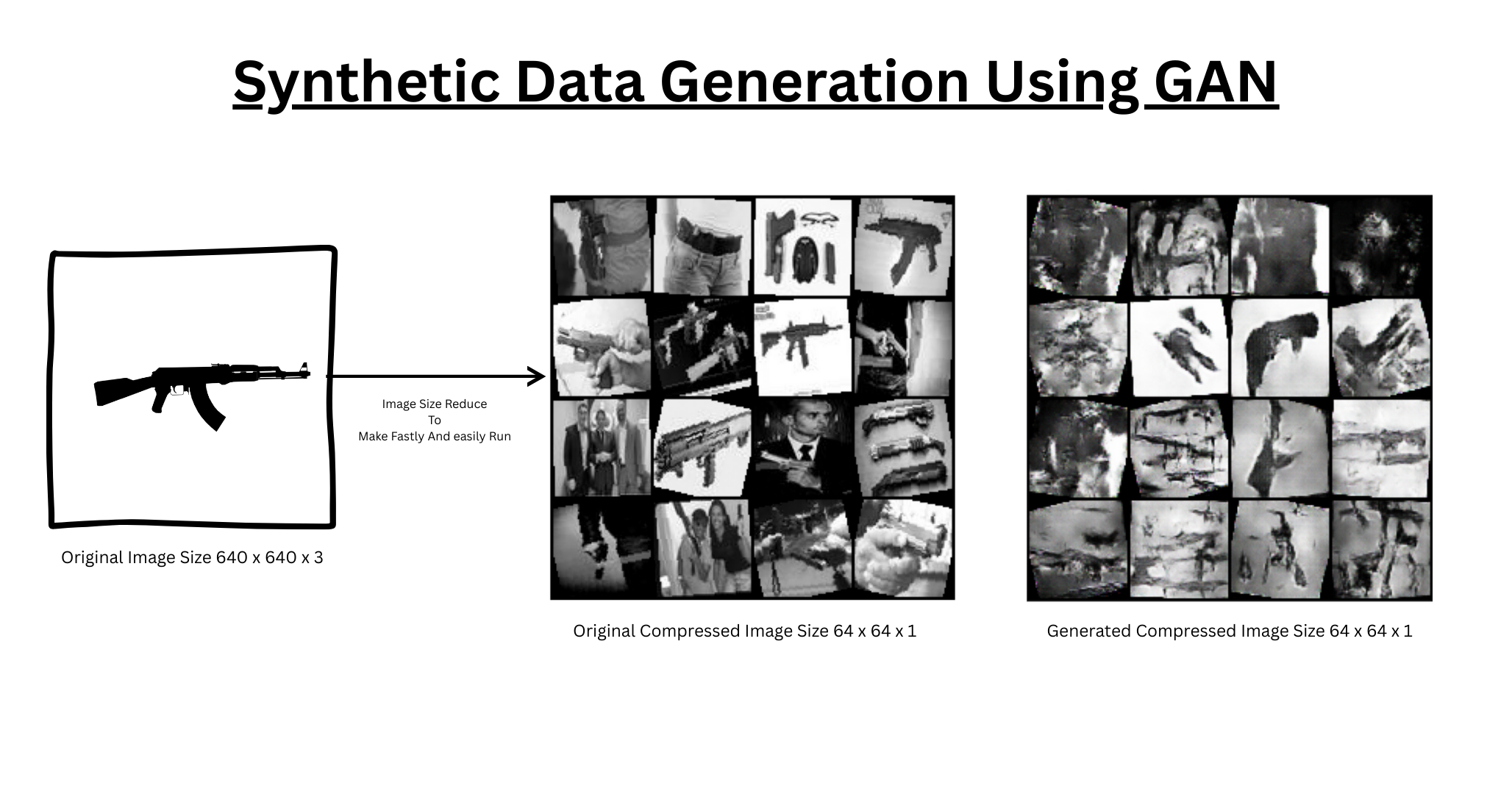
- DCGAN 64×64 synthetic weapons as a proof-of-concept for rare-class expansion
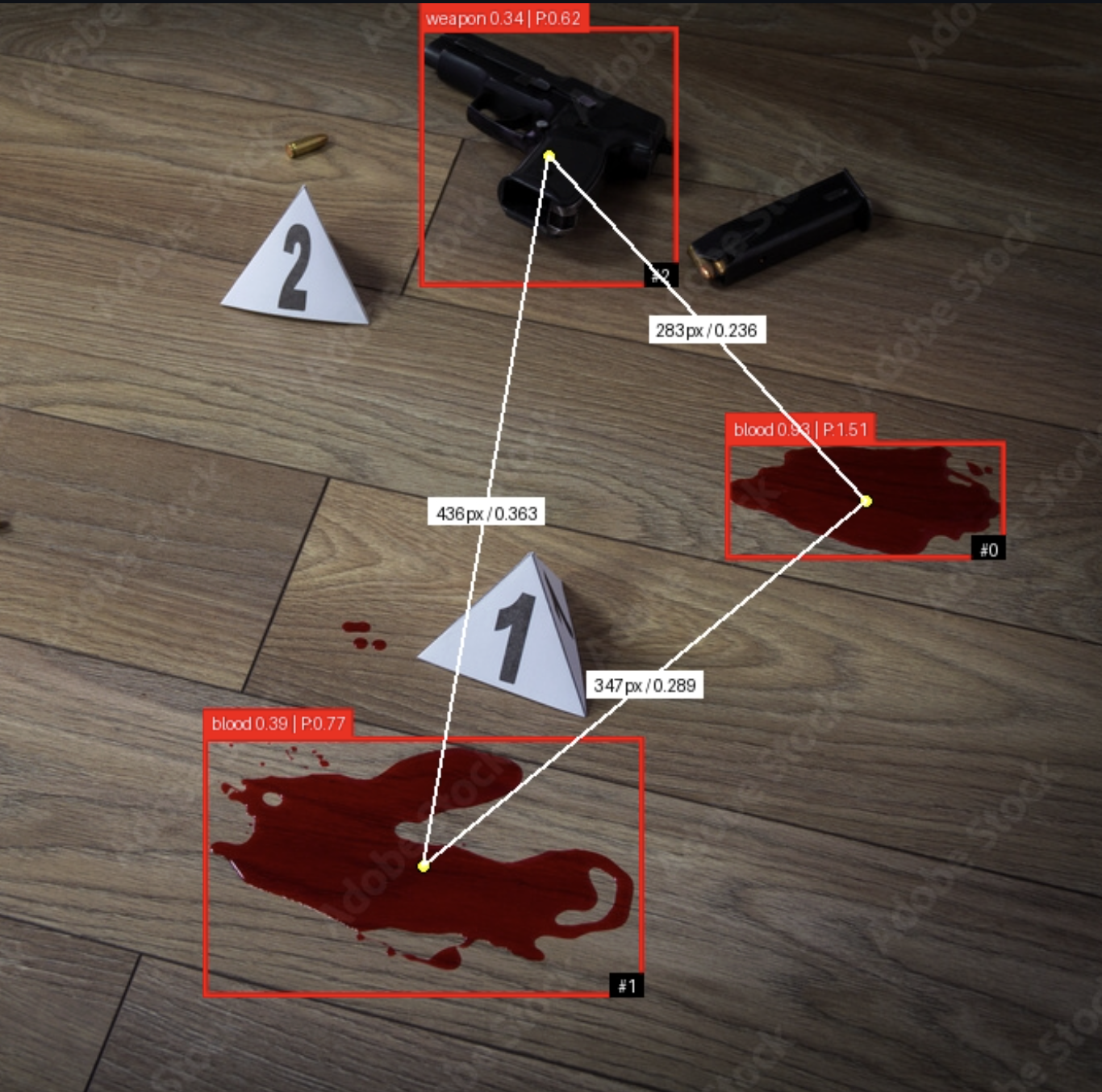
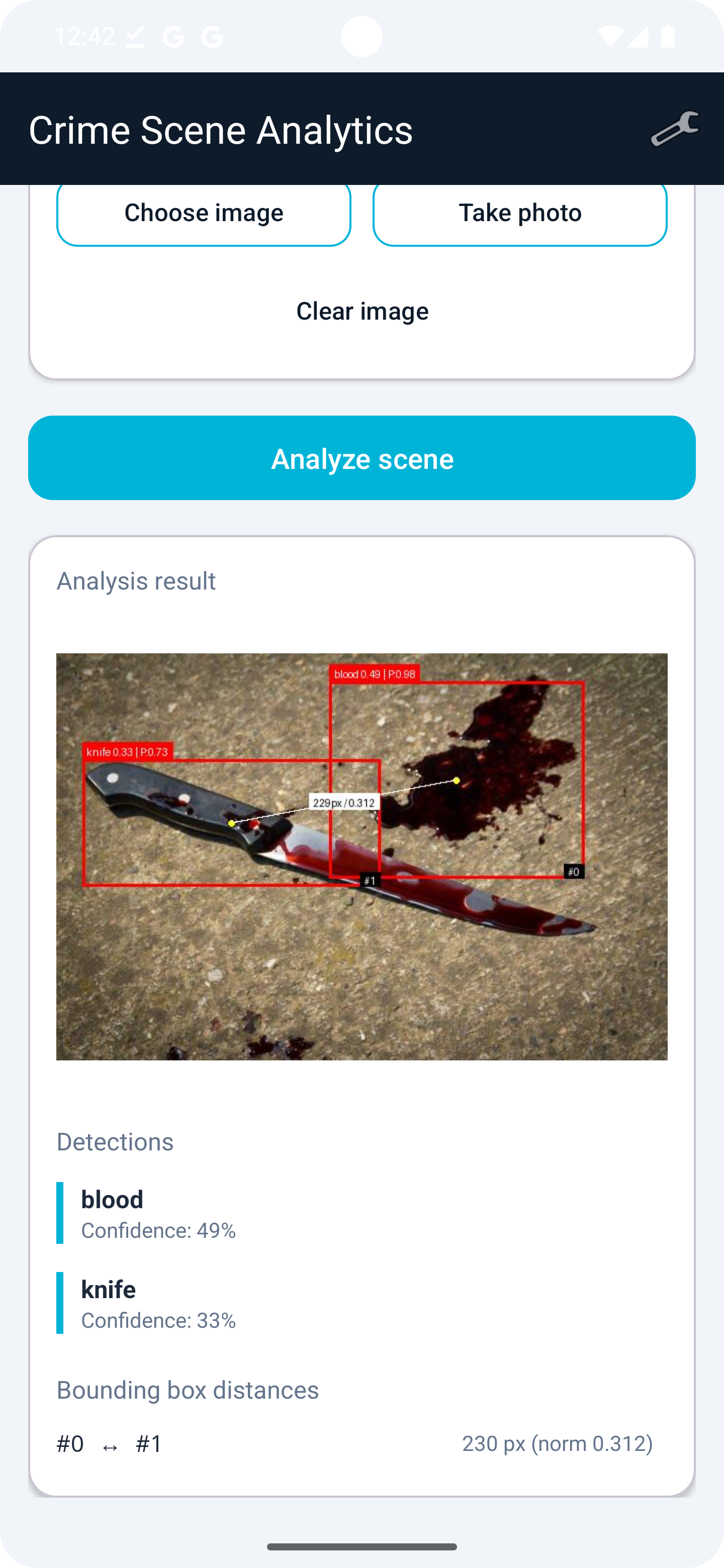
- Streamlit app: upload scene, pick weights, draw boxes + confidence, measure distances
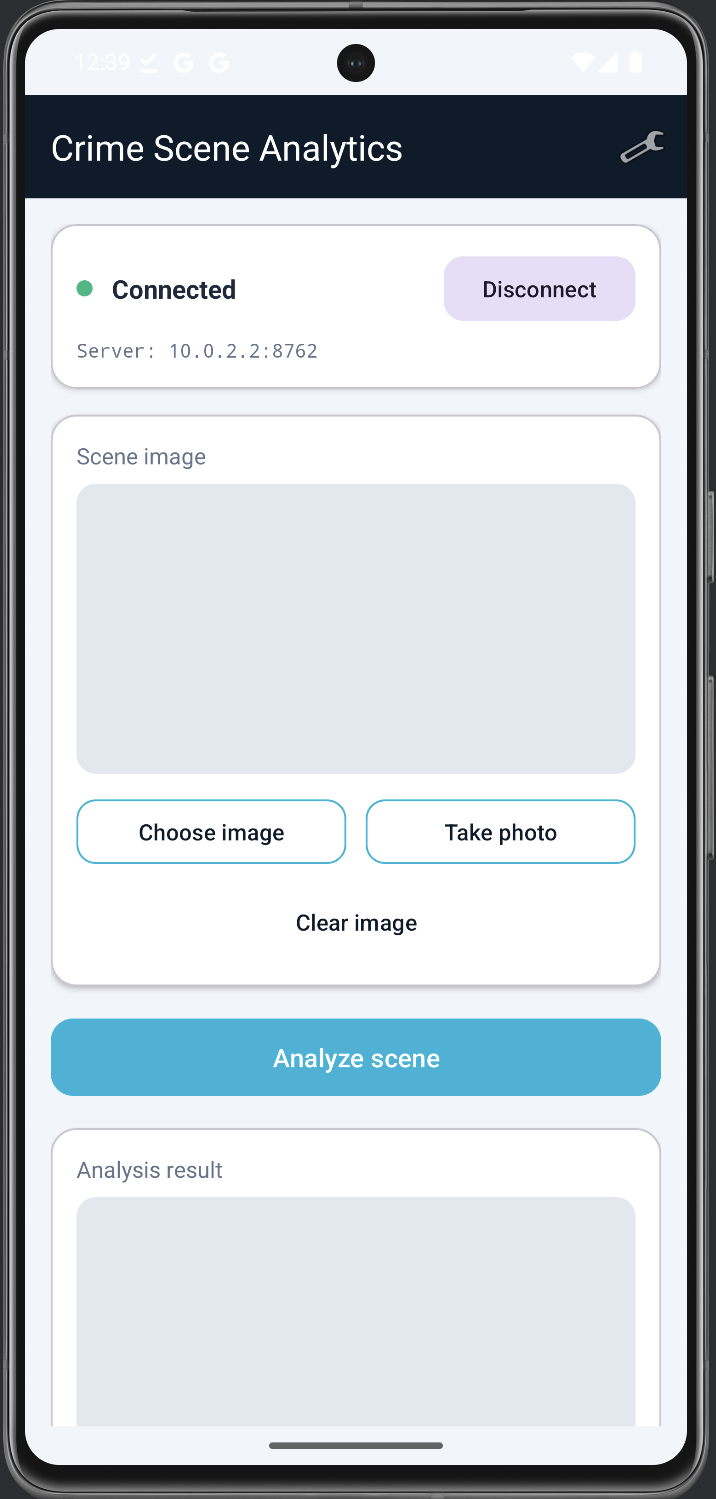
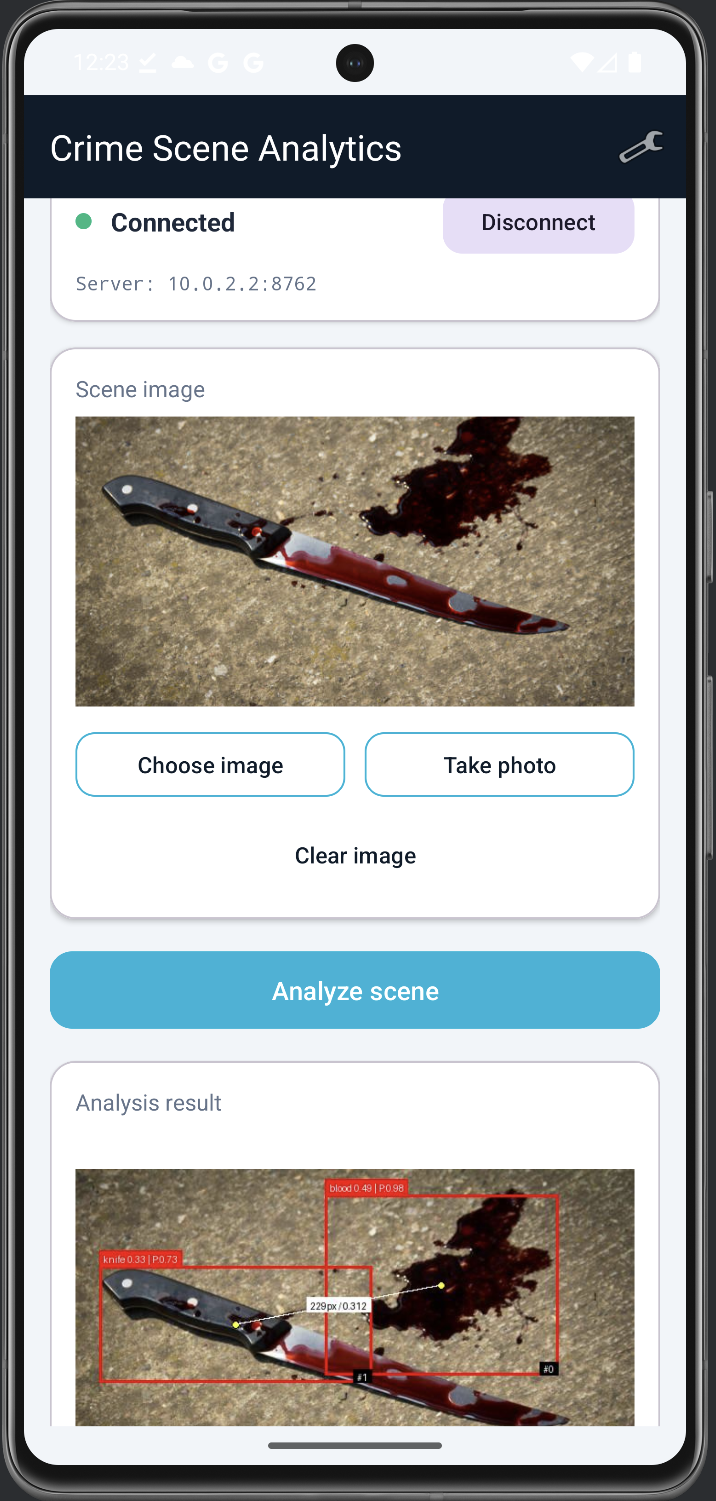
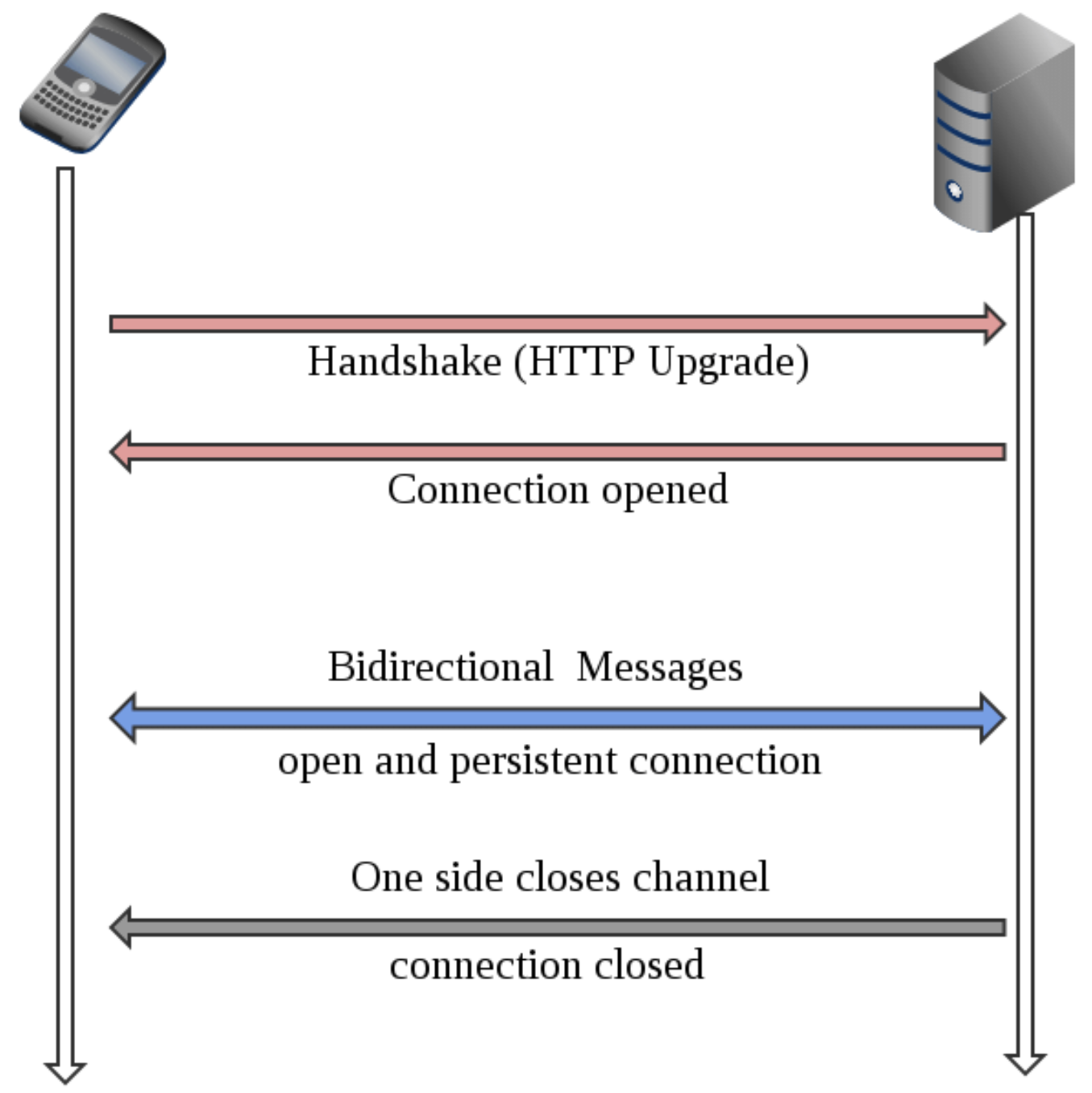
- Android companion: live WebSocket inference + evidence distance visualization
What's unique
- Selective Real-ESRGAN: enhance only boxes < 48×48px, then paste back without shifting labels
- Annotation error rate cut from 4.8% → 0.6%; class-balance entropy 0.63 → 0.99
- Same YOLOv8 family: mAP@50 0.53 → 0.61 and small-object mAP@50 0.41 → 0.54 from data quality alone
- Spatial forensic assist: centroid Euclidean distance between detected evidence instances
- Dual deployment: Streamlit lab UI + Kotlin Android client over WebSocket inference
Why it matters
- Shows AI as a forensic assistant — faster triage, fewer missed small objects
- Proves data-centric gains beat chasing model size for niche domains
- Bridges research notebook → usable product surfaces analysts can click
Measured gains
Results that matter
Same model family — gains come from forensic-grade data engineering, not architecture tricks.
0.61
mAP@50
vs 0.53 on raw data — same detector family
0.87
Recall
up from 0.79 after preprocessing
0.54
Small-object mAP@50
from 0.41 via selective Real-ESRGAN
0.6%
Annotation errors
cleaned from 4.8% malformed boxes
0.81
Noisy-image recall
vs 0.68; fewer false positives / image
0.99
Class entropy
near-balanced weapon vs blood distribution
1.2k→3.8k
Dataset size
validated images → augmented training set
2
Evidence classes
weapon + bloodstain / splatter
Figures & graphs
See the pipeline clearly
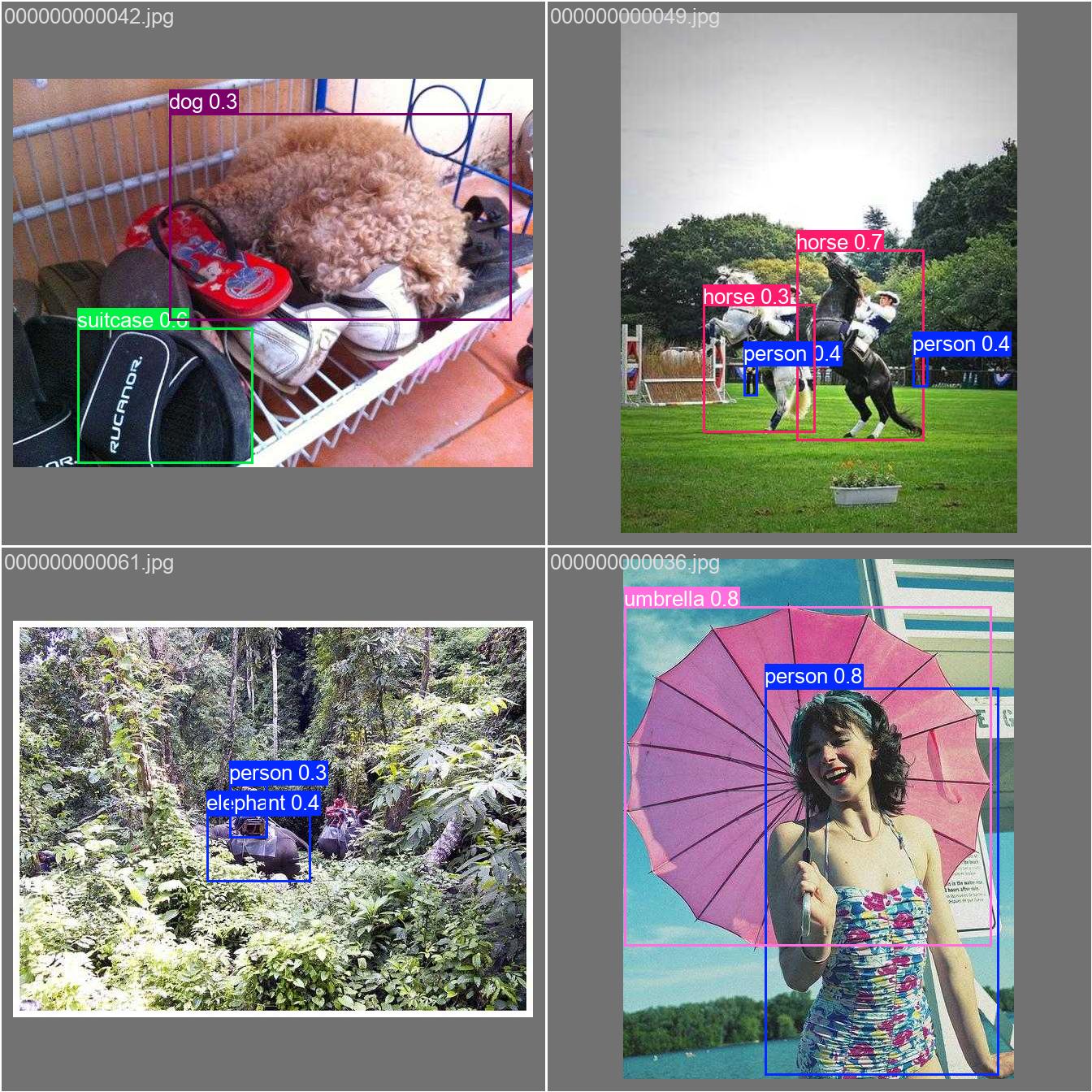
Architecture, selective Real-ESRGAN, YOLO detections, training curves, and mobile/web deployments.
Read the work
Thesis, report & paper
Full write-ups for reviewers and collaborators — conference paper is a draft (not yet published).
Craft
How the intelligence was built
Open the research